ISO 22002: 2025
Prerequisite Programmes for Food Manufacturing
A comprehensive, structured programme covering the updated ISO 22002-1:2025 standard for food manufacturing, together with the ISO 22002-100:2025 baseline requirements for prerequisite programmes. The course progresses from foundational food safety principles to advanced hazard control, PRP implementation and compliance requirements.
Regulatory readiness
Hazard prevention
Facility compliance
Team capability

R980 per user Exc VAT
17
Lessons
FSSC 22000
Aligned
Self-paced
Format
Powered by:

Course Structure
Lesson 1
Introduction to Food Safety and PRPsAn introduction to food safety, contamination risks and the importance of PRPs in supporting safe food production. Learners will explore how PRPs, GMPs, SOPs, HACCP and food safety management systems work together.
Lesson 2
Introduction to ISO 22002:2025This lesson explains the purpose of the updated ISO 22002 standards, why they changed, and how they relate to ISO 22002-100, sector-specific standards and FSSC 22000.
Lesson 3
Key Terms and DefinitionsLearners are introduced to important food safety terms used in the standard, including how to interpret mandatory, implemented and documented requirements.
Lesson 4
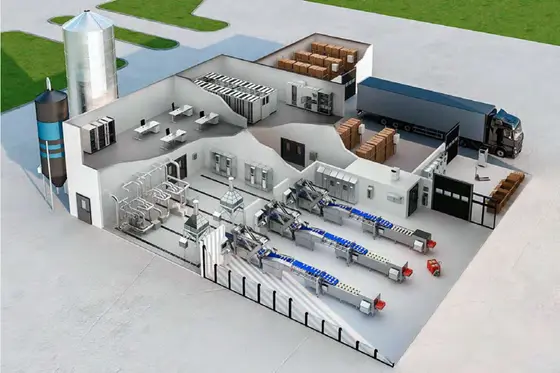
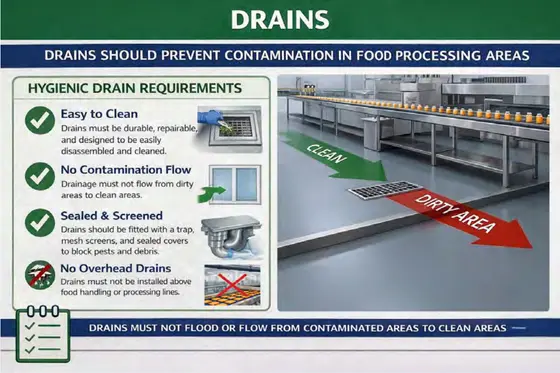
Construction and LayoutThis lesson covers how site boundaries, drainage, building condition, external risks and environmental controls influence food safety.
Lesson 5
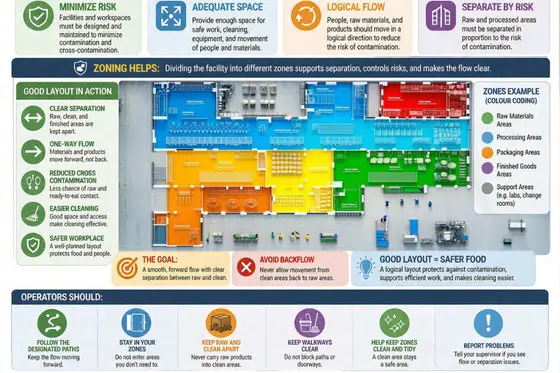
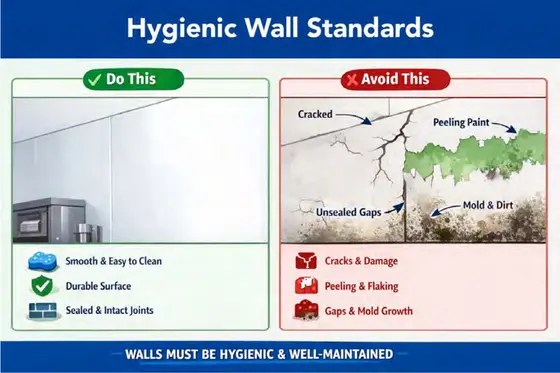
Design and Layout of Facilities and WorkspacesLearners explore internal facility design, including walls, floors, ceilings, fittings, workflow, separation, storage and cleanability.
Lesson 6
UtilitiesThis lesson focuses on utilities that may affect product safety, including water, steam, air, ventilation, compressed air, gases, lighting and boiler chemicals.
Lesson 7
Pest ControlLearners will understand how pests create contamination risks and how prevention, monitoring, reporting and Integrated Pest Management support food safety.
Lesson 8
Waste, Food Loss Management and RecyclingThis lesson explains how waste, food loss and recycling must be controlled to prevent contamination, reduce pest attraction and maintain clean work areas.
Lesson 9
Equipment Suitability and MaintenanceLearners explore hygienic equipment design, maintenance-related risks, temporary repairs, lubricant control and the controls required before equipment returns to production.
Lesson 10
Management of Purchased MaterialsThis lesson covers the control of raw materials, ingredients, packaging and other purchased inputs, including receiving, inspection and handling of damaged or non-conforming materials.
Lesson 11
Storage, Warehousing and TransportLearners will understand safe storage, stock rotation, segregation, dispatch, loading and transport controls that protect product safety.
Lesson 12
Measures for Prevention of Cross-ContaminationThis lesson focuses on microbiological, chemical, physical and allergen cross-contamination, including zoning, separation, movement control and safe handling practices.
Lesson 13
Cleaning and SanitationLearners explore cleaning and sanitation programmes, including cleaning agents, tools, schedules, cleaning methods, verification and the basics of CIP systems.
Lesson 14
Personnel Hygiene and Employee FacilitiesThis lesson covers personal hygiene, workwear, health status, employee behaviour, eating areas, hygiene facilities, visitors and contractors.
Lesson 15
Product Information and Consumer AwarenessLearners will understand why correct product information, identification and labelling are essential for consumer safety.
Lesson 16
Food Defence and Food FraudThis lesson introduces intentional food safety risks, including malicious contamination and economically motivated deception, as well as the systems used to manage them.
Lesson 17
Rework ControlLearners will understand how rework must be identified, controlled, traced and used safely to prevent food safety risks.
FAQs: Prerequisite Programmes for Food Manufacturing course
What is this course about?
This course provides a thorough grounding in the ISO 22002: 2025 standard, which specifies Prerequisite Programmes (PRPs) for food manufacturing. Across 17 lessons, you’ll cover everything from foundational food safety principles and hazard identification through to facility design, pest control, allergen management, food defence, and rework control.
Do I need prior food safety knowledge to enrol?
No prior qualification is required. Lesson 1 introduces core food safety concepts, making the course accessible to newcomers while still providing genuine depth for experienced practitioners. A basic understanding of a food manufacturing environment is helpful but not essential.
Is the R980 fee per user or per organisation?
The fee of R980 is per individual learner. Each person requires their own enrolment and login. If you are enrolling a team, please contact us for group pricing options.
How do I access the course?
Once payment is confirmed, you’ll receive login credentials by email. The course is hosted on our online learning platform and is accessible from any device — desktop, tablet or smartphone — with an internet connection.
How long does the course take to complete?
Most learners complete the full course in approximately 8 to 12 hours of study time. Because it is self-paced, you can spread this across several days or weeks depending on your availability.
Can I enrol multiple staff members?
Yes. Group enrolments are available for teams and organisations. Each learner requires an individual licence. Please contact us directly to discuss group pricing and bulk enrolment options for your team.
Can my employer pay on my behalf?
Yes. If your organisation is funding your enrolment, we can issue a proforma invoice for payment by EFT. Contact us with your details and we’ll arrange this for you.
How long does my subscription last?
Access to the course, is 30 days from enrolment. An additional R150 surcharge will be added per additional month if required.
Why is my invoice amount higher than the advertised amount?
VAT will be added to the advertised course fee of R980.00 where applicable. As a VAT-registered company, all invoices are issued in accordance with South African VAT regulations. The inclusive of VAT value will be R1 127.00
How long does the enrolment process take?
The enrolment process can take up to two business days from the time you enrol online, excluding weekends and public holidays.
This allows time for any required administrative steps, such as preparing quotations, receiving purchase orders, issuing invoices and confirming payment. Login details are then issued to each enrolled learner.